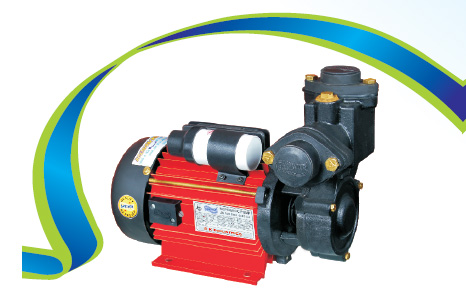
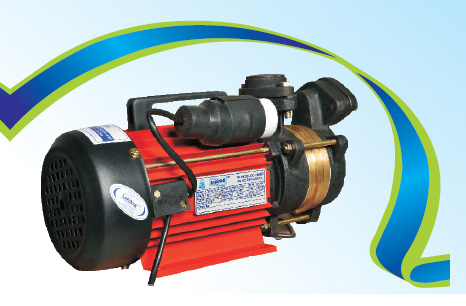
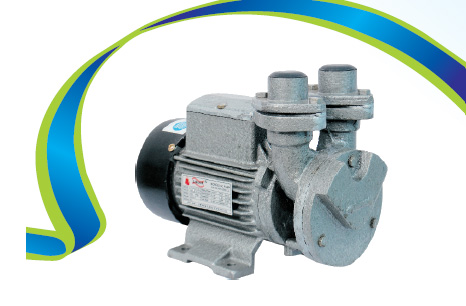
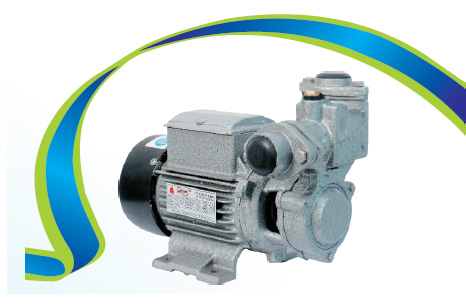
self priming pumps
- Home
- self priming pumps

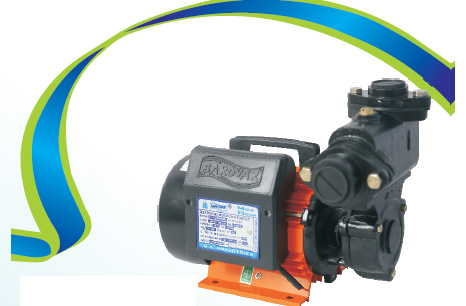
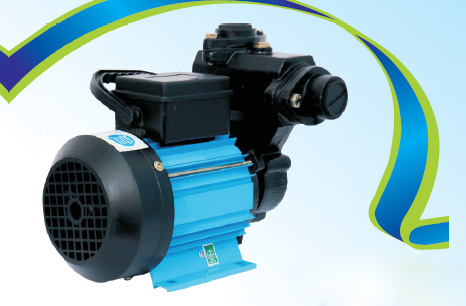
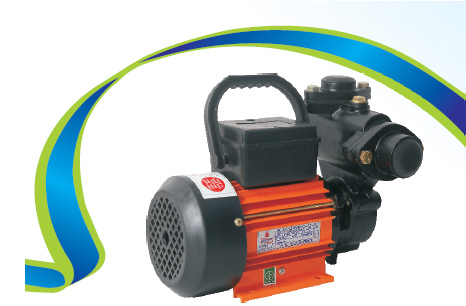
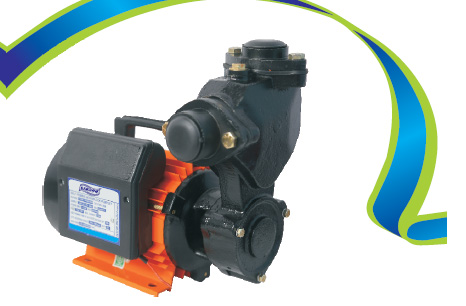
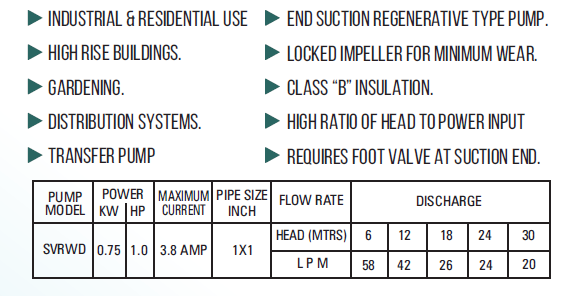
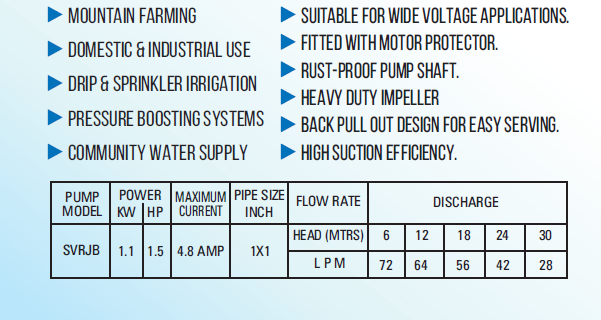
Self-priming pumps are designed to handle air and gas as well as water, allowing them to clear the air from the suction line and begin pumping liquid without needing external priming. These pumps are particularly useful in applications where the suction line is above the fluid level or when the pump is situated a considerable distance away from the fluid source.
A Self-Priming Pump has a priming chamber or reservoir where a mixture of air and liquid collects. This chamber allows the pump to separate air from the liquid and discharge it, maintaining the pump's ability to draw liquid even when air is present in the suction line.
The impeller creates a low-pressure area at the eye, drawing the liquid in. The volute (or casing) helps to convert the velocity energy from the impeller into pressure energy, aiding in the self-priming process.
During the priming cycle, the pump recirculates the liquid within the pump casing, displacing the air in the suction line. The displaced air is vented out through the discharge, and once all the air is expelled, the pump begins to move the liquid normally.
Many Self-Priming Pumps feature a check valve on the discharge side to prevent backflow of liquid into the suction line, which helps maintain the prime.
Self-Priming Pumps eliminate the need for manual priming or an external priming mechanism, making them more convenient for intermittent or remote operations.
These pumps can handle a mixture of air and liquid, making them ideal for applications where the fluid level fluctuates or air ingress is common.
Since they can lift fluid from a lower level, self-priming pumps offer more flexibility in pump placement and system design.
Handling sewage and sludge, where the pump needs to manage a mixture of solids, liquids, and gases.
Used to lift water from wells, ponds, or tanks where the suction line is often above the water level.
Employed in chemical processing, food and beverage, and other industries where maintaining prime is critical for continuous operation.
Used in dewatering, drainage, and fluid transfer tasks where the water level can vary or air can enter the suction line.
Periodically inspect the pump for wear and tear, especially the impeller and seals, to ensure efficient operation.
Ensure all fittings and connections in the suction line are airtight to prevent loss of prime.
Keep the priming chamber free from debris and obstructions that could impede the priming process.
Maintain proper lubrication of moving parts as specified by the manufacturer to prevent mechanical failure.
Self-priming pumps offer significant advantages in applications where traditional pumps might struggle, particularly in managing air and maintaining prime. Their versatility, ease of use, and reliable operation make them an essential component in various industries. Regular maintenance and understanding of their working principles can greatly enhance their performance and lifespan.